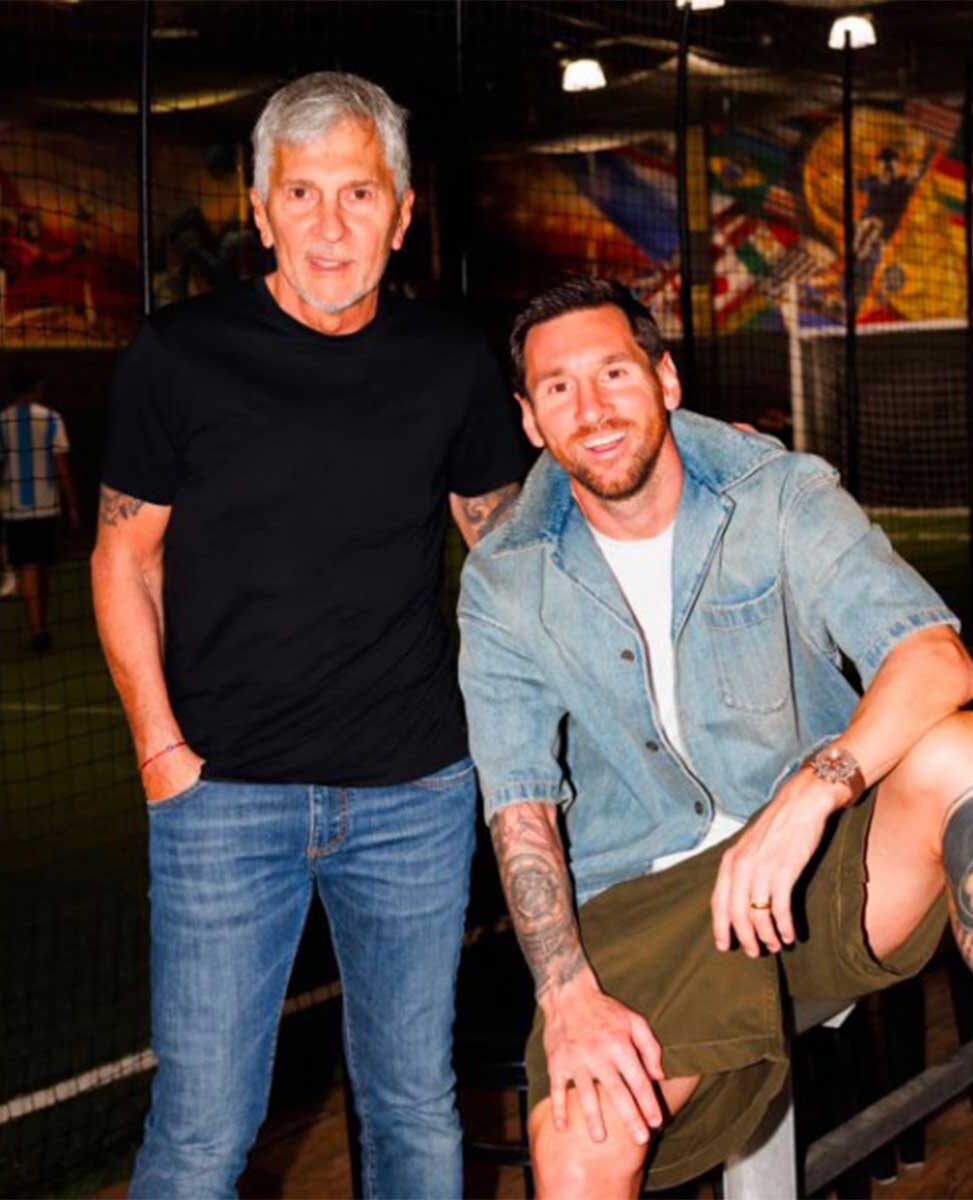
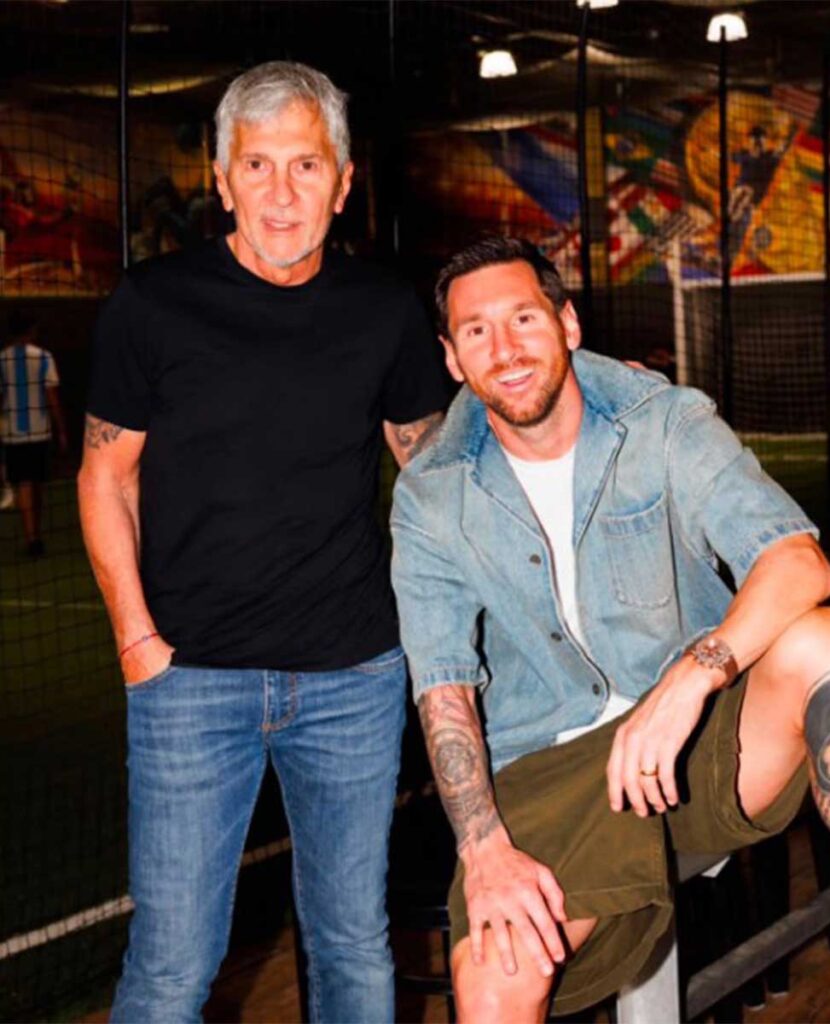
Long before he was lifting Champions League trophies or collecting Ballon d’Ors, Lionel Messi was just a tiny, football-obsessed kid running around the working-class neighborhood of Las Heras in Rosario, Argentina. Born in 1987, Leo grew up in a tight-knit family where football was less of a past-time and more of a daily ritual.
From the moment he could walk, Leo’s world revolved around the ball. But his ascension to global stardom was far from guaranteed—it was forged through deep family devotion, remarkable perseverance, and the relentless advocacy of his father, Jorge Messi.
The Spark in Rosario
Messi’s football journey officially began at age four when he joined Grandoli, a local neighborhood club. His maternal grandmother, Celia, was his biggest early champion, constantly pushing coaches to let the smallest boy on the field play. (To this day, Messi’s iconic point-to-the-sky goal celebration is a tribute to her memory.)
By age six, Messi moved to Newell’s Old Boys, one of Rosario’s premier clubs. Joining a legendary youth squad nicknamed “The Machine of ’87,” Leo scored nearly 500 goals over the next several years. His natural talent was unmistakable, but off the field, a major crisis was brewing.
The Medical Crisis
At age 10, Messi was diagnosed with Growth Hormone Deficiency (GHD). His body had simply stopped growing at a normal rate. Without medical intervention, his chances of pursuing a professional athletic career—or even reaching an average adult height—were slim.
The treatment required daily injections of human growth hormone, costing roughly $900 to $1,000 a month. For a working-class family in Argentina during a looming national economic crisis, this cost was devastating.
How Jorge Messi Saved the Dream
This is where Jorge Messi, a steel factory manager at Acindar, became the pivotal figure in Leo’s life.
Jorge’s health insurance initially covered a portion of the treatment, but as Argentina’s economy faltered, the coverage dried up. Newell’s Old Boys offered to contribute, but payments became sporadic and ultimately stopped. Refusing to let his son’s gift be extinguished by financial hardship, Jorge took matters into his own hands:
- Relentless Advocacy: Jorge spent months negotiating with local clubs, businesses, and health authorities across Argentina to secure funding for Leo’s medication, working overtime to keep buying the injections out of pocket.
- Exploring International Horizons: When local options collapsed, Jorge leveraged distant family contacts in Catalonia to arrange a trial with FC Barcelona in September 2000.
- The High-Stakes Bet: Taking 13-year-old Leo to Spain was a massive gamble. FC Barcelona directors hesitated to sign a boy so small and pay for his medical treatment. It was Jorge’s firmness—demanding a clear decision from the club—that led director Charly Rexach to famously sign Messi’s first informal contract on a paper napkin.
A Foundation Built on Family
When the Messis relocated to Catalonia in late 2000, the transition was painful. Cultural adjustments and homesickness took a heavy toll, prompting Leo’s mother, Celia, and his siblings to return to Rosario while Jorge stayed behind in Spain with Leo.
Those early years in Barcelona were quiet and intense, filled with daily injections, schoolwork, and training at La Masia. Through it all, Jorge remained Leo’s manager, protector, and constant companion. Without his father’s willingness to fight every financial and bureaucratic hurdle, the greatest footballer of a generation might never have stepped onto the global stage.
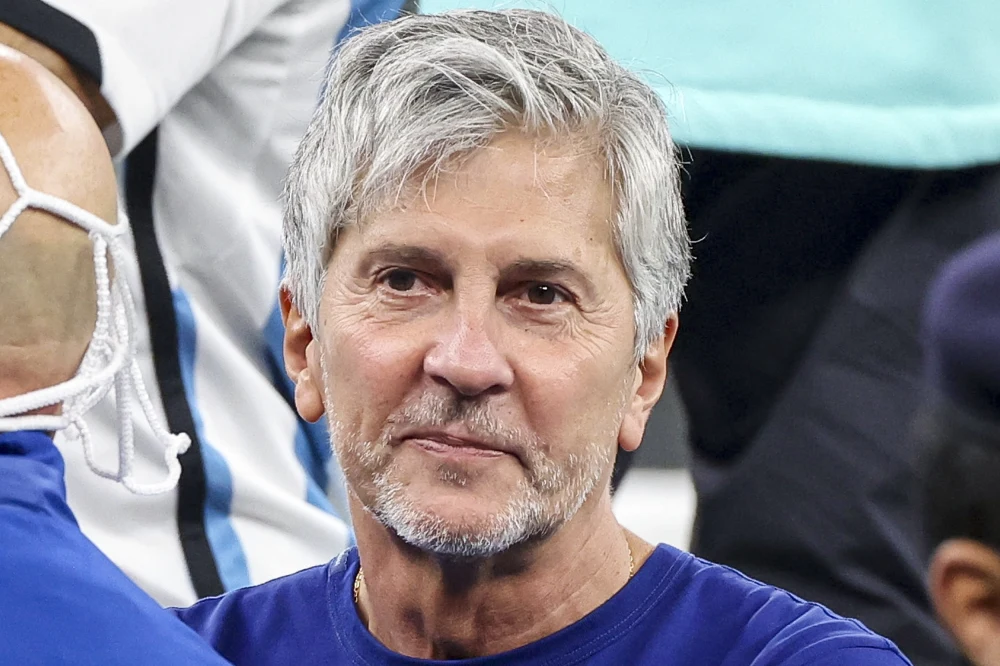
However, during the 2026 FIFA World Cup in North America, the global icon carried a heavy emotional burden on the pitch while his father fought a grave illness. Just weeks after the tournament concluded, Jorge passed away at the age of 68 in Rosario, Argentina.
Playing Under the Shadow of Illness: WC 2026
Throughout Argentina’s dramatic 2026 World Cup campaign, fans noticed a noticeably emotional tone surrounding Messi. Off the pitch, Jorge’s health deteriorated rapidly in the days leading up to the tournament, preventing him from attending a major international tournament with his son for the very first time.
Despite the agonizing distraction, Messi anchored Argentina’s attack all the way to the final at MetLife Stadium:
- Stepping Up Under Pressure: Messi fought through immense psychological weight, admitting during the tournament that his family was navigating a deeply painful period.
- Missing Connection: Messi later revealed that after every match, he eagerly checked his phone, deeply missing the routine post-game text messages from his father that had anchored his career for over two decades.
- Final Cup Pursuit: Driven by Jorge’s plea for him to keep playing, Messi fought through extra time in the World Cup Final against Spain before Argentina ultimately fell 1–0.
The Passing of Jorge Messi
On August 7, 2026, Jorge Messi passed away at a clinic in Rosario, surrounded by family. Tributes immediately poured in from the Argentine Football Association (AFA), Newell’s Old Boys, and football entities around the globe.
“I know you were suffering and that it’s for the best, but you left too soon. We still had so much to enjoy together… You were by my side from the beginning; there was so little left until the end.”
— Lionel Messi, in an emotional tribute following his father’s passing.
A Father’s Enduring Legacy
Jorge Messi was far more than an agent—he was the architect who fought tirelessly for young Leo when growth hormone treatments were financially out of reach in Argentina. He negotiated the famous napkin contract with FC Barcelona and protected Leo’s interests through every landmark contract and career milestone.
As Messi returns to club action with Inter Miami CF, he has openly acknowledged carrying “quite a few doubts” about how long he will continue playing without his biggest advocate by his side.
Leave a Reply